


– Vietnam exported 5.2 million tonnes of rice in H1 2026, up 9.9% year-on-year by volume. (Nguồn: VietnamNews/VNA citing Ministry of Agriculture and Environment, 7/2026)
– The Philippines accounted for 45% of Vietnam’s rice exports during the period, while shipments to China increased 87%. (Nguồn: VietnamNews/VNA citing Ministry of Agriculture and Environment, 7/2026)
– A factory visit should not only confirm capacity. It should test whether the facility can control grade, moisture, lot segregation, documentation and loading discipline.
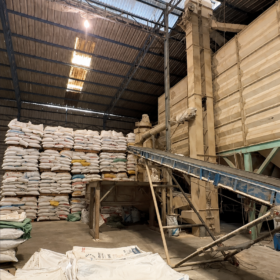
1. Before arrival: verify the supplier profile
– Observe:
– Whether the facility being visited matches the company na
me, addr
ess and operating scope in the supplier profile
– Whether the site is a rice mill, packing site, warehouse, trade
r office or combined facility
– Whether export documents and certificates are issued under the same legal entity or a third party
– Ask:
– Which rice grades are handled regularly?
– What is the monthly milling, polishing and packing capacity?
– Which destination markets has the facility shipped to?
– Which inspections are done in-house and which are outsourced?
2. Raw material receiving and storage: check lot control
– Observe:
– Paddy or milled rice receiving area
– Warehouse cleanliness, ventilation and pest-control system
– Lot labels, crop-year separation and supplier-lot segregation
– Moisture-checking process before storage
– Ask:
– How is each incoming lot identified?
– How are different grades and crop years separated?
– How often is moisture checked during storage?
– What happens when a lot fails internal quality checks?
3. Milling, polishing and sorting: evaluate process control
– Observe:
– Cleaning, de-stoning, whitening, polishing and grading lines
– Colour sorter, metal detector and reject collection points
– Machine calibration records
– In-process samp
ling and retained samples
– Ask:
– Which parameters are checked at each processing stage?
– How is the broken percentage controlled?
– How are rejected grains documented and removed?
– Who approves grade conversion before packing?
4. Packing, inspection and loading: confirm shipment discipline
– Observe:
– Bag sealing, coding and label control
– Weighing accuracy and final inspection area
– Container hygiene check and loading supervision
– Sample retention and document handover process
– Ask:
– Which documents are prepared before shipment?
– Who signs off final quality before loading?
– How are customer complaints traced back to production lots?
– How are fumigation, container condition and transport temperature or humidity risks managed?
Email: contact@gbridgex.com
Website: www.gbridgex.com